
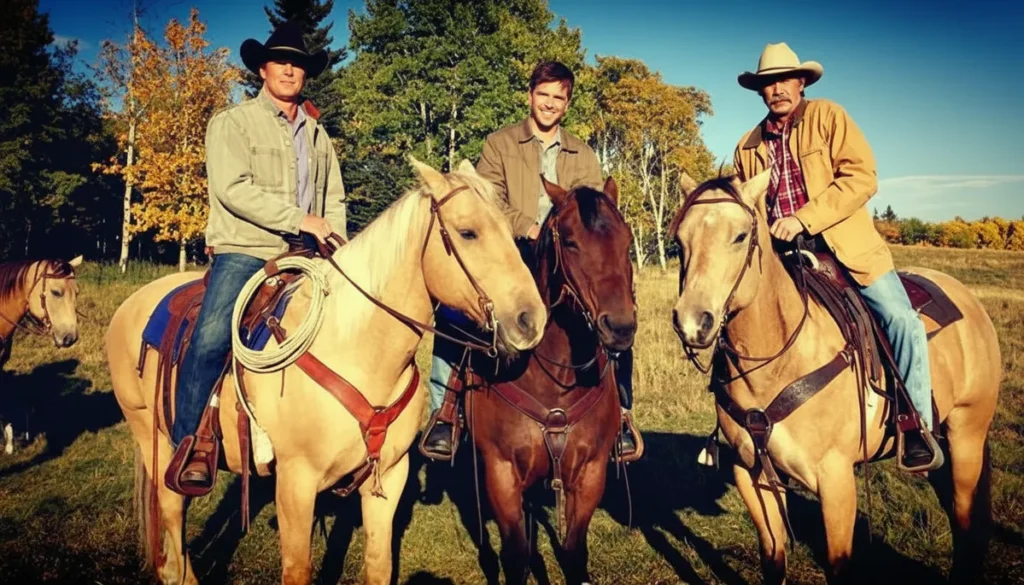
Heartland is now the longest-running Canadian drama ever made, more than 19 seasons into a run that most TV critics still can’t explain why. That’s not an accident. The CBC series was never built for them. It doesn’t fit the template that has defined “serious television” since The Sopranos — no antiheroes, no moral collapse, no slow-burn nihilism, no prestige-TV machinery built around it — just Amy Fleming, a ranch in the Alberta foothills, and an audience that has quietly, stubbornly refused to leave.
The show started in 2007, based on the novels by Lauren Brooke, with a setup that should have burned out quickly: a teenage girl with an intuitive gift for rehabilitating troubled horses, a multigenerational ranch family working through grief, and landscapes that look like real rural Alberta rather than a set designer’s version of it.
It aired on Sunday nights on CBC and drew the audience the network TV had pretty much forgotten about — families, rural viewers, people who recognized High River, the Southern Alberta town where the series is filmed, as a place rather than a backdrop.
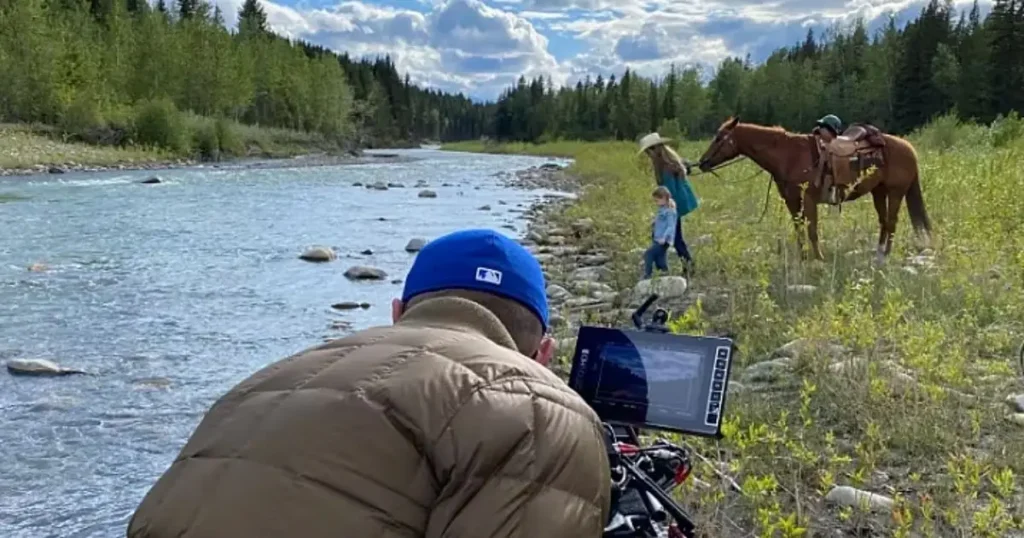
What kept it alive past the point where shows like this usually die is a cast that aged in real time and writers smart enough to treat that as material instead of a problem. Amber Marshall has played Amy from a gifted teenager to a mother and working horsewoman, and that shift is visible rather than implied. She lives on a ranch off-screen, which matters less as biography and more in what it produces on camera: a physical ease with horses that no amount of rehearsal can replicate. You either know how to move around a 1,200-pound animal or you don’t, and the show never has to fake it.
The supporting cast carries the same weight. Shaun Johnston’s Jack Bartlett functions as a moral center while still being wrong often enough to feel human, which is harder to sustain across two decades than it sounds. Lou’s long-running effort to impose structure on a ranch that resists it creates the show’s most reliable tension, while Tim Fleming, played by Chris Potter, spends years trying to repair damage he caused without ever fully resolving it. The show doesn’t rush toward clean conclusions; it lets characters accumulate history.
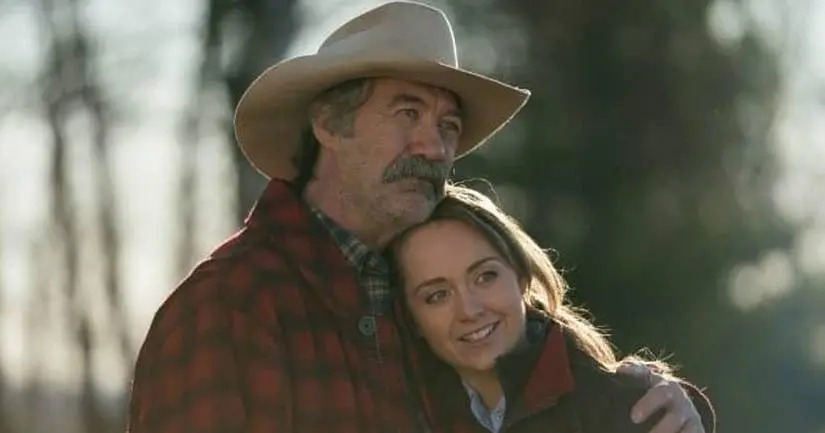
The real test came in Season 14, when the death of Ty Borden followed Graham Wardle’s departure. It’s the kind of moment that breaks a show built around optimism, and Heartland didn’t blink. What followed wasn’t a tidy grief arc with a defined endpoint but something messier and truer: unfinished conversations, long silences, routines that continue because they have to. There’s a scene where Amy stands alone in the barn after the funeral, feeding the horses in silence. Nothing is said, and nothing needs to be. The work continues.
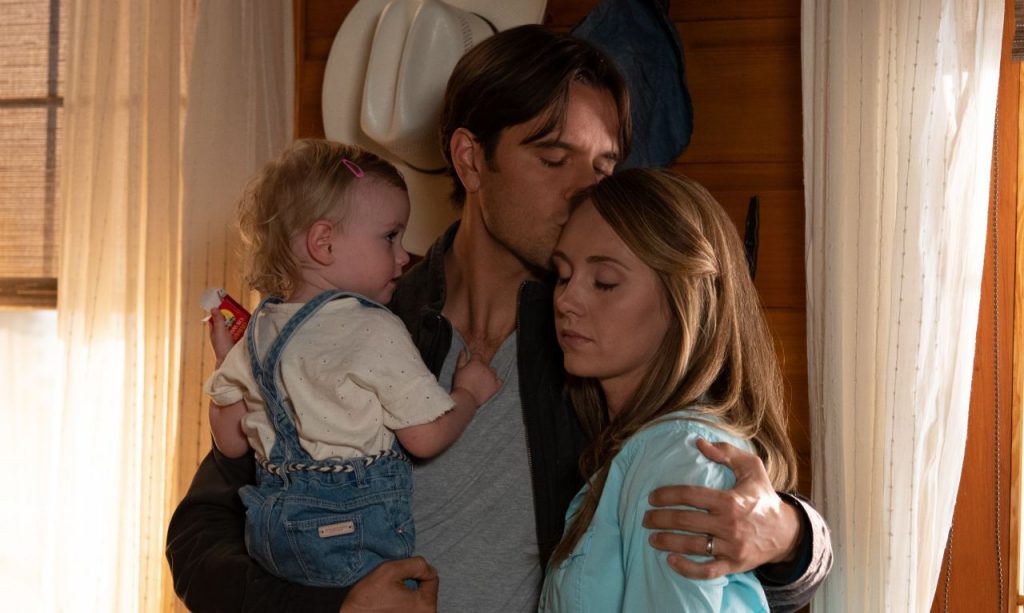
Part of Heartland’s critical invisibility isn’t a mystery. It isn’t dark, urban, or built around spectacle, and it doesn’t signal importance in the ways critics are used to reading. That says more about which shows get labeled as prestige than it does about the level of craft involved. By any honest measure — longevity, audience loyalty, sustained character work over nearly two decades — Heartland has outperformed most of the dramas it never gets compared to.
It didn’t survive by reinventing itself every few seasons. It survived by knowing exactly what it was and not flinching.
All comments are subject to our Community Guidelines. Opinions belong to readers.
Great show. I have watched for several seasons and watched all the first shows.
I grew up on a Vermont dairy farm but there are similarities.
At 9 yrs old my daughter riding and still does. My granddaughter started riding at about 6 taking lessons. They share a horse. Your characters around and on the horses it very true to what it really is like.
I love heartland because it is so real to life. Also because the cast members act like people would towards each other!
I love heartland, it’s the best show I’ve ever watched. I’m so addicted to this family and ranch life that I can’t stop watching it. The show is so realistic and insightful. Ranch life is a lot of hard work that never ends, and the characters all come together to make it all worth it. The show is also very real with its story telling. The family is always there for each other in every way imaginable, in the good times and bad times. That is what family does for each other and that’s what keeps the viewers coming back every single episode. I wish I could live there on a ranch and have what the show portrays.
Best family show. I really enjoy watching it. Fascinating with the horses and how they react.