
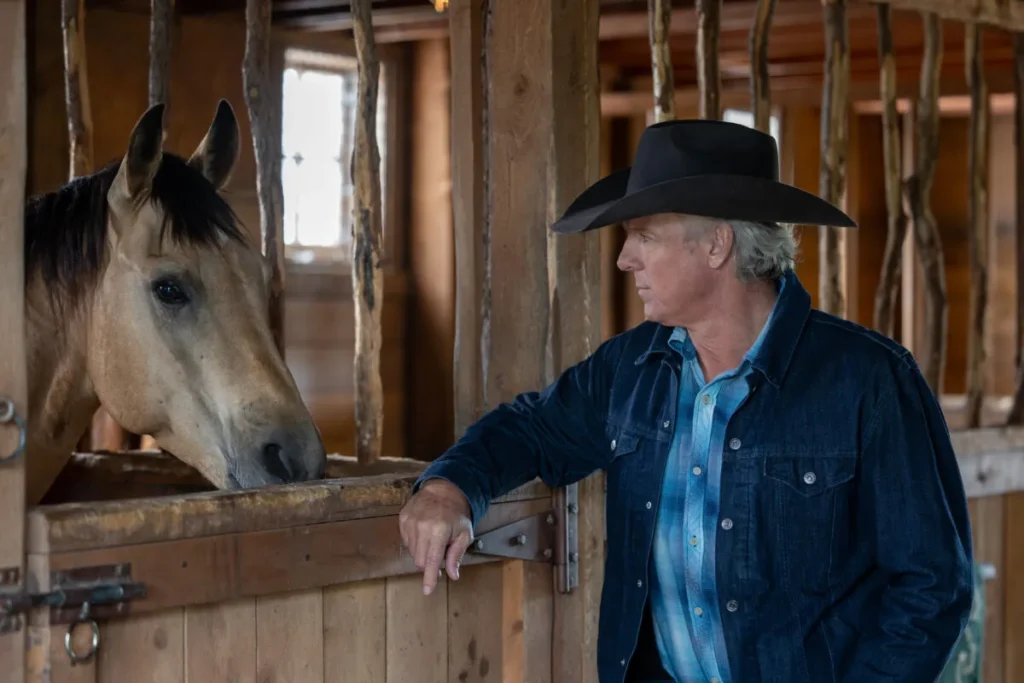
Eighteen seasons. It’s almost impossible to process that number. When a show runs this long, the characters settle into our lives like family, and the actors who play them seem to blur right into the personae they inhabit. We assume that level of dedication must mean a deep, personal affection for the role.
But hearing Chris Potter talk recently about his time on the show was genuinely illuminating, especially his comments about Tim Fleming.
He’s a veteran presence, an absolute anchor of the show, but when he admitted that he doesn’t actually like his own character very much, it wasn’t a casual aside. It felt like the key to unlocking the entire Tim Fleming dynamic.
Tim is complicated, yes. He is the chaos engine of the ranch. He brings the friction, the mistakes, the occasional brilliant redemption that always feels earned because we know he had to fight his nature to get there.
If the actor who played Tim adored him, if he saw only the good, the performance would be soft. It would lack the sharp edges we need to keep the stakes believable.
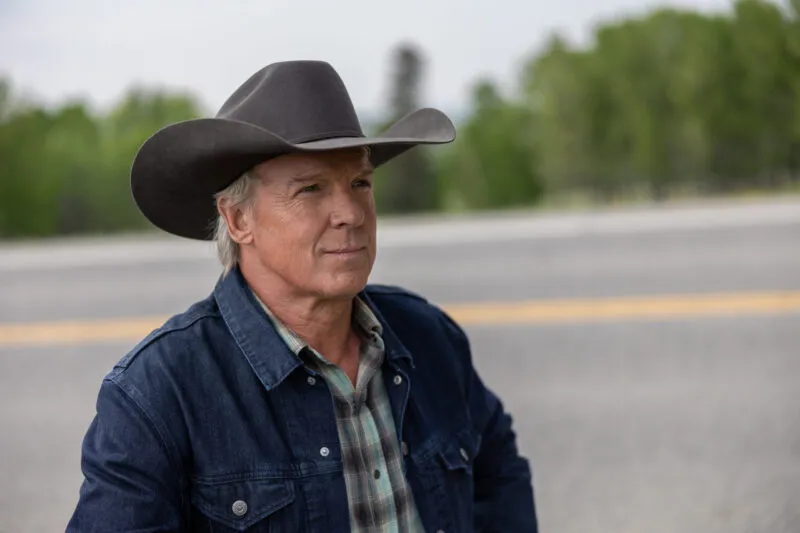
Potter calling Tim ‘antagonistic’ and finding joy merely in the *playing* of him—not the being of him—is exactly the professional distance required to make a truly complex character function over two decades.
It’s not enough to be familiar with Tim; you have to be able to judge him. And I think that objectivity is what keeps the character from becoming a caricature.
Then there is the duality of his role, which reinforces that professional clarity: the directing.
He has stepped behind the camera for dozens of episodes, managing the logistics, the weather, the children, and the animals. That’s a whole different kind of complexity.
When he is directing, Tim Fleming isn’t a person he has to embody; Tim is a functional component within a massive, moving machine.
He is a problem to be solved within a two-episode block schedule.
That ability to switch roles—from managing the character’s emotional mess to managing the physical constraints of the production—must be exhausting, but it ensures he can never become too comfortable or too sentimental about the character he plays.
It keeps the performance honest.
This kind of professionalism connects perfectly with his wider career wisdom, too, about how hard the job is. The idea that you don’t pursue this path unless you absolutely *have* to.
It’s a powerful reflection on perseverance, which is, ironically, the core theme of the whole series. The ranch itself is sustained by that kind of stubborn, necessary commitment, not by ease or comfort.
Tim Fleming is the definition of not choosing the easy road. We watch him fail, get back up, and continue messing up, and it’s compelling every time because the man playing him is operating with such clear, critical control.
What I took away from his reflections is that the longevity of this entire series isn’t built on cozy familiarity. It’s built on relentless, professional application, even when that means keeping your character at arm’s length.
And that, for me, makes the magic of *Heartland* even more profound.



All comments are subject to our Community Guidelines. Opinions belong to readers.